Magnetic Lock vs Electric Strike: Which Door Lock?
A practical comparison of magnetic locks and electric strikes for access control — fail-safe vs fail-secure, door types, power, egress and the checks before ordering.
In short
A practical comparison of magnetic locks and electric strikes for access control — fail-safe vs fail-secure, door types, power, egress and the checks before ordering. Reference points: PRO3000, CD8000 Series, HA-MCR45-32.
A magnetic lock and an electric strike both keep a door closed under access control, but they solve different mechanical problems. Choosing the wrong one creates a door that is hard to mount, slow to release or non-compliant on the egress route.
This guide compares the two families from the door outward. It is written for the project that already has a door schedule and a fire strategy.
What each lock actually does
A magnetic lock holds the door with an electromagnet on the frame and an armature plate on the door. When power is removed, the door releases. It is common on glass doors, fire egress doors and doors where a strike pocket is difficult.
An electric strike replaces the strike plate. It releases the latch when the lock receives power or a release signal. It is common on timber and metal doors with a mortise lock, and it can be fail-safe or fail-secure.
The mechanical difference matters: a maglock holds the whole door, while a strike releases the latch. The door type, the frame and the closer decide which one is practical.
Fail-safe vs fail-secure
The failure mode is the first decision.
- Fail-safe releases the door when power is lost. It is used on escape routes and fire doors where people must get out.
- Fail-secure keeps the door locked when power is lost. It is used where security is the priority, with a mechanical override and a clear emergency procedure.
A magnetic lock is normally fail-safe. An electric strike can be either. Do not choose the lock by brand before the fire consultant and the security team agree on the failure mode.
Door type and frame decide
Walk the door with the installer:
- Frameless glass: a maglock is often easier, but the glass, the patch fittings and the closer must handle the load.
- Timber door with a mortise lock: an electric strike is usually the cleaner fit.
- Steel door with a narrow frame: check the strike pocket and the frame strength.
- Fire-rated door: the lock must not compromise the rating; confirm the tested assembly.
- Double door: two locks or a coordinator may be needed.
The access control and reader range covers the controller and reader side. The lock is selected with the door hardware supplier, not in isolation.
Power, inrush and voltage drop
Locks are a power design problem. A magnetic lock can draw a high inrush current when it energises. An electric strike draws a shorter pulse. Both need a supply sized for the current, the cable length and the voltage drop.
Do not power the lock from the controller’s auxiliary output unless the output is rated for it. Use a dedicated lock power supply with a battery backup, a fuse or breaker per door, and a clear label. The PRO3000 controller and the CD8000 series provide the control layer; the lock supply is separate.
Fire code and egress
Every controlled door needs a way out. The exit device must work without a card, without the controller and, where the code requires it, without power.
A magnetic lock on an escape route should release on fire alarm and on power failure. An electric strike on a fire door must be tested as part of the door assembly. The fire alarm interface should be hard-wired or fail-safe, and the cause-and-effect matrix should list every door.
Do not rely on the software to release a door in an emergency. Test the hardware release path.
Comparison table
| Requirement | Magnetic lock | Electric strike |
|---|---|---|
| Typical door | Glass, fire egress, metal | Timber or metal with a mortise lock |
| Failure mode | Usually fail-safe | Fail-safe or fail-secure |
| Mounting | Surface magnet and armature | Strike pocket in the frame |
| Door closer | Essential | Essential |
| Power | High inrush, dedicated supply | Short pulse, dedicated supply |
| Egress | Releases on power loss | Depends on the model and wiring |
| Fire door | Confirm the tested assembly | Confirm the tested assembly |
Specification checklist
| Item | What to confirm |
|---|---|
| Door material and frame | Glass, timber, steel, fire rating |
| Lock type | Maglock, strike, bolt or motor lock |
| Failure mode | Fail-safe or fail-secure |
| Holding force | Door width, closer and air pressure |
| Power | Voltage, current, inrush and backup |
| Exit device | Button, sensor, break-glass or panic bar |
| Monitoring | Door position and lock status |
| Fire interface | Release method and test procedure |
Next steps
Send the door schedule, the door photos and the fire strategy. Compare the office building solution and the industrial park solution for the zoning logic. The model index lists the controllers and readers, the access control category covers the access layer, and the blog has related wiring and intercom guides.
If the door type is unusual, send a photo to our team or message us on WhatsApp. The right lock is the one that fits the door, the failure mode and the egress route — not the one with the highest holding force on the datasheet.
Frequently asked questions
Is a magnetic lock always fail-safe?
Can an electric strike be fail-secure?
Which lock is better for a glass door?
Do I need a separate power supply for the lock?
How does the fire alarm release the door?
What should be in the quotation?
Put the article’s decision order to work on your project
Related products
 Access Control
PRO3000
Network Access Controller
Two-door IP controller with 55,000 cardholders and 45,000 event buffer.
View details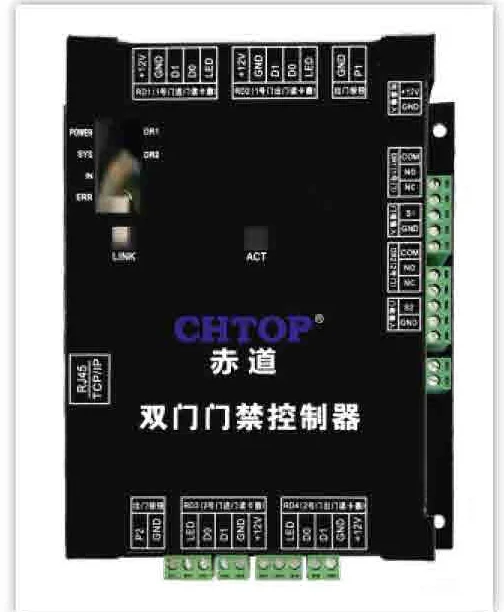 Access Control
CD8000 Series
Network Access Controller Series
Single-door, double-door and four-door controllers on one TCP/IP platform.
View details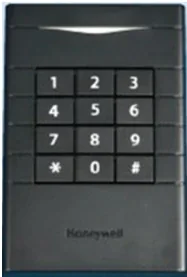 Access Control
HA-MCR45-32
13.56 MHz Mifare Card Reader
ISO 14443A Mifare reader with Wiegand output and tamper-resistant mounting.
View details