
Access Control System
An access control system has four layers: credential, reader, controller and lock/power. Start with the door list and the cards people already carry; then choose a two-door controller for 1–2 doors, a four-door controller for 3–4 doors, and TCP/IP with RS485 downstream for larger sites.
- 1–62 doors per IP
- Wiegand / RS485 / TCP/IP
- Offline decisions
- PRO3000: CE / FCC / C-TICK
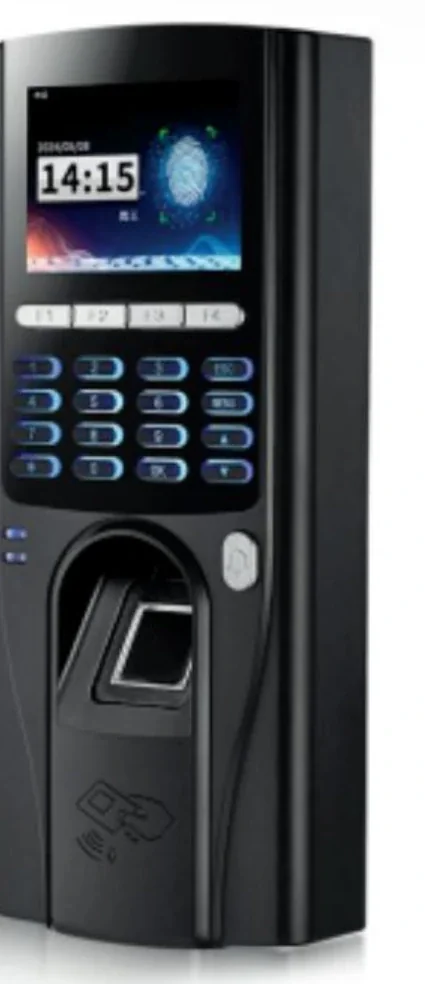
What does an access control system include?
It includes a credential (card, face or QR), a reader, a controller and a lock with its power supply. The controller stores permissions and events, so doors keep working when the server is offline. For 1–2 doors, a two-reader board is usually enough; for 3–4 doors, use a four-door board; larger sites extend over RS485 or multiple TCP/IP controllers.
- Start from the door list, not the reader
- Match the reader to the existing card technology
- Keep lock power separate and size it for inrush
- Confirm fire release and lift interfaces before quoting
Which controller, reader and lock fit this door?
The first table maps the door requirement to a controller and reader. The second compares the models used on this page. The third lists the design checks that decide whether the system will pass commissioning.
Selection table — controller, reader and lock
| Door requirement | Recommended configuration |
|---|---|
| One or two doors | Two-reader controller or a standalone terminal |
| Four or more doors | Four-door controller or multiple TCP/IP controllers |
| Existing cards | Match 125 kHz ID or 13.56 MHz Mifare readers |
| Offline or unstable network | Controller with card/event buffer and battery backup |
| Lift or fire integration | Relay I/O and a documented platform API |
Controller and reader models in this range
| Model | Type | Key capacity | Interfaces | Best for |
|---|---|---|---|---|
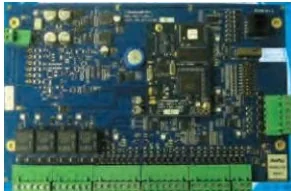
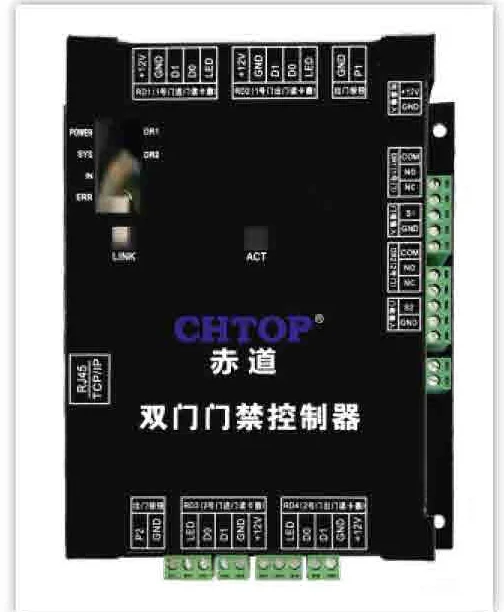
| PRO3000 | Two-door network controller | 55,000 cards; 45,000 events | TCP/IP; RS485; 2 readers; 4 relays | 1–2 doors with offline decisions |
| CD8000 Series | Single, double or four-door controller | CD8001 / CD8002 / CD8004 | TCP/IP; -35 to +65 °C | 1–4 doors in one enclosure |
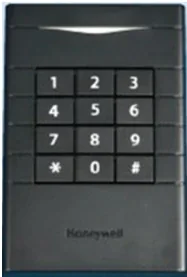
| HA-MCR45-32 | 13.56 MHz Mifare reader | ISO 14443A; 6.4 cm read range | Wiegand output | Existing Wiegand controllers |
| AskFaceBS | Browser management software | Access, visitor, attendance, lift, large screen | TCP/IP; local network | Central permissions and reports |
Design checks before the quotation
| Design item | Typical setting | Why it matters |
|---|---|---|
| Door count | 1–2 / 3–4 / 5–62 per IP address | Sizes the controller, enclosure and power supply |
| Credential | 13.56 MHz Mifare, face, QR, or existing ID/CPU cards | The reader must match the cards people already carry |
| Reader output | Wiegand 26/34 or RS485 | Must match the controller input format |
| Controller location | Secure-side cabinet or IT rack | Protects the board and simplifies service |
| Offline capacity | 55,000 cards / 45,000 events for PRO3000 | Doors keep working when the server is offline |
| Network | TCP/IP with fixed IP or DHCP reservation | Keeps the controller reachable and stable |
| Lock type | Maglock, electric strike or bolt; fail-safe or fail-secure | Affects egress, fire behaviour and power |
| Lock power | Dedicated supply with battery backup | Handles inrush current and holds the lock during outages |
| Exit device | Button, motion sensor or break-glass | Code-compliant egress from the secure side |
| Door contact | Monitored input for held-open and forced-door alarms | Turns the door into a monitored opening |
| Interlock | Two-door airlock where required | Prevents two doors opening at the same time |
| Anti-passback | Entry and exit readers with direction logic | Stops one card being passed back |
| Fire release | Dry contact or relay from the fire panel | Unlocks doors for evacuation |
| Lift control | Relay or software option with a compatible lift interface | Applies the same permission model to floors |
| Software | AskFaceBS or the existing platform | Permissions, records and reports live here |
| Commissioning | Door-by-door test, including fire release and lock failure | Catches wiring and configuration faults before handover |
Controllers, readers and software
Open a model page for the full specification. The controller and reader pages include the interfaces needed to check compatibility with an existing system.
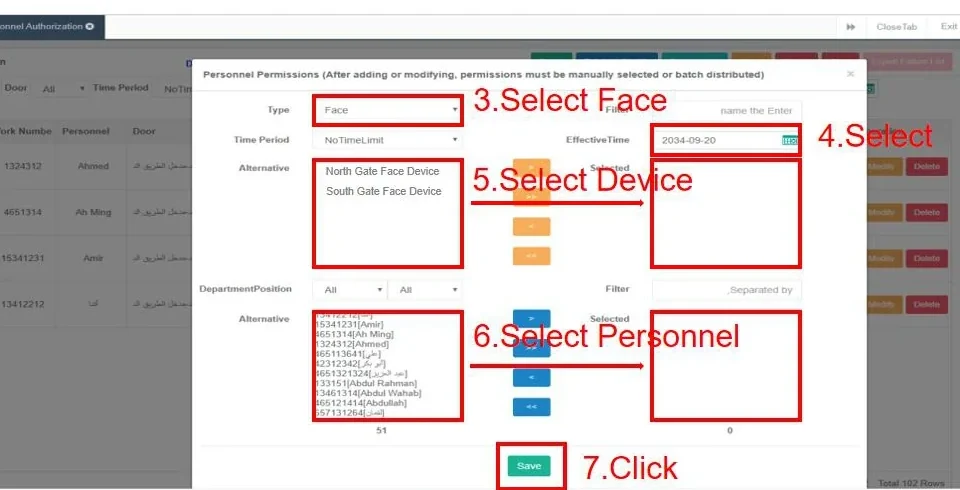
What can this system do, and what still needs confirmation?
The controller is the integration point. Confirm the third-party interfaces at design stage; do not assume that a relay is enough for every fire, lift or CCTV system.
What it can do
- Connect 13.56 MHz Mifare readers over Wiegand
- Control maglocks, strikes and bolts through relay outputs
- Keep working offline with local card and event storage
- Extend over RS485 or multiple TCP/IP controllers
- Integrate fire release, lift control and CCTV where the interfaces exist
What it cannot do / needs confirmation
- Fabricate door frames, cut concrete or provide civil works
- Guarantee an existing card system without the card type and reader format
- Replace fire acceptance or code compliance review
- Integrate a third-party platform that has no documented API
- Size the lock power supply without the lock model and current
Send the door list, card type, controller model, lock model and fire/lift interface documents. We will mark what is confirmed and what still needs a site check.
Access control questions buyers ask before ordering.
The answers below follow the controller, reader and lock logic used on this page.
How many doors can one controller handle?
What card technology should we use?
Does the controller keep working without a server?
Can we integrate with fire, lift and CCTV?
Do we need a controller if the reader has a relay?
Can you match our existing cards?
Still have a question? Contact
Send the door list. We will return a controller and reader configuration.
Include the door count, card type, lock type, existing controller and any fire or lift interface. We will reply with a model mix and the questions that still need answers.
- Door list / unit list
- Existing cable, cards and controller
- Site photos and timeline
Project inquiry
Share the site type, number of doors or apartments, and the functions you need. We will reply with a recommended configuration and a quotation.
Continue with the access control path
Face recognition access control
Terminals, capacity, Wiegand output and turnstile mounting.
OpenCard reader access control
13.56 MHz Mifare, UHF and Wiegand controller compatibility.
OpenAccess control products
Controllers, readers, software and model pages.
OpenOffice building access control
Lobby lanes, tenant doors, lift and fire integration.
Open