Card Reader Access Control
A card reader is only the credential layer. Match the frequency (13.56 MHz Mifare or UHF), the output (Wiegand or RS485), the controller format and the environment. A reader with a relay can control one door; multi-door sites need a controller.
- 13.56 MHz Mifare
- Wiegand output
- 6.4 cm read range
- UHF option for vehicle gates
What should we check before choosing a card reader?
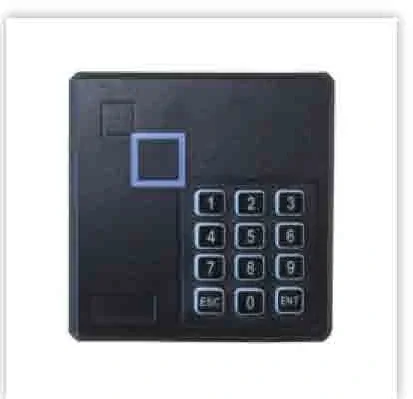
Check the card type, the controller input and the installation environment. A 13.56 MHz Mifare reader with Wiegand output fits many existing controllers; UHF is for vehicle or long-range access; outdoor doors need a suitable protection rating. Do not choose a reader before the card and controller are known.
- Card frequency must match the reader
- Wiegand format must match the controller
- Check read range and mounting material
- Outdoor readers need a protection rating
Which card reader fits this door?
The first table maps the credential and door condition to a reader type. The second compares the models used on this page. The third lists the interface and installation checks.
Card reader selection by credential and door
| Condition | Recommended reader | Design note |
|---|---|---|
| 13.56 MHz Mifare office door | HA-MCR45-32 with a Wiegand controller | Confirm the controller Wiegand format and card sector |
| Existing 125 kHz ID cards | 125 kHz reader matched to the existing cards | Share the card type and current reader model; 125 kHz is a separate range |
| Vehicle or long-range gate | TM-UAC109 UHF terminal | UHF reads up to 8 m; confirm lane width and tag placement |
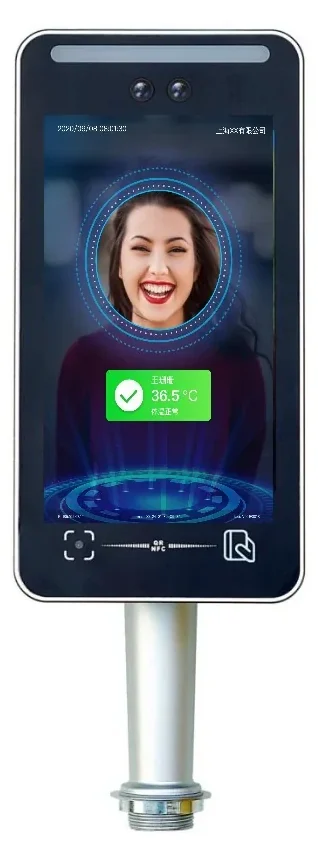
| Face + card + QR at one door | SW-HA-8EZI multi-credential terminal | Use Wiegand/relay to the controller or lock |
| Covered outdoor door | Reader with the required IP rating | Confirm rain, sun and metal mounting conditions |
Readers and credential terminals in this range
| Model | Type | Credential / range | Interface | Best for |
|---|---|---|---|---|
| HA-MCR45-32 | 13.56 MHz Mifare reader | ISO 14443A; up to 6.4 cm | Wiegand | Office, apartment and back-of-house doors |
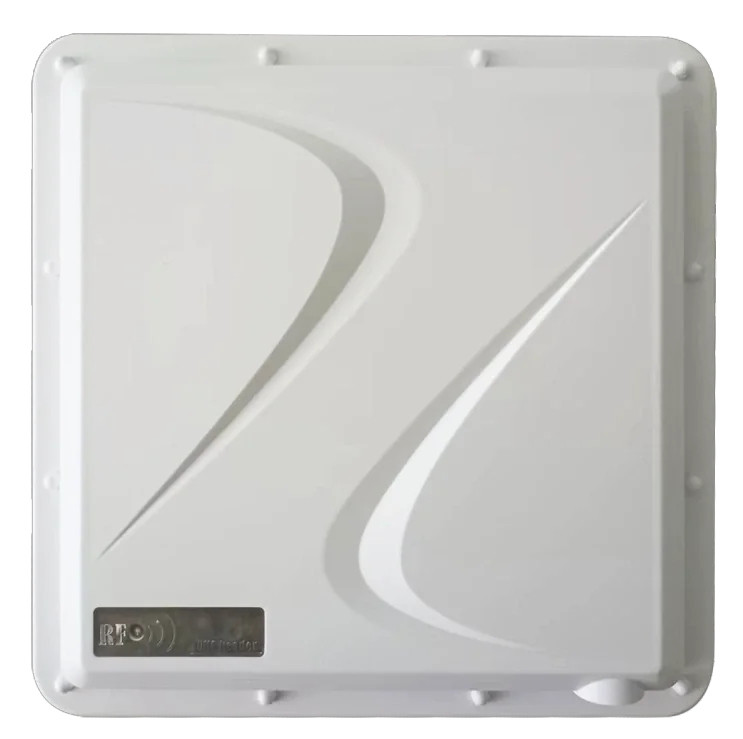
| TM-UAC109 | UHF RFID reader and controller | 902–928 / 865–868 MHz; up to 8 m | TCP/IP, PoE; lock, exit and alarm I/O | Vehicle gates and long-range access |
| SW-HA-8EZI | Multi-credential access terminal | Face, QR, IC/ID/NFC and ID card | Wiegand, relay, MQTT, TCP/IP | Visitor and mixed-credential entrances |
Interface and installation checks
| Design item | Typical setting | Why it matters |
|---|---|---|
| Frequency | 13.56 MHz Mifare or UHF; match the card | The reader cannot read a different frequency |
| Standard | ISO 14443A for Mifare; EPC C1G2 for UHF | Defines card and tag compatibility |
| Read range | 6.4 cm for Mifare; up to 8 m for UHF | Range changes the user experience and security |
| Output | Mifare reader: Wiegand 26/34; UHF terminal: TCP/IP/PoE | Must match the controller input |
| Controller compatibility | Share the controller model and format | Prevents a reader that cannot be connected |
| Credential | Mifare card, NFC phone, UHF tag or multi-credential | The user group decides the technology |
| Mounting height | 1.2–1.4 m for card readers | Ergonomics and wheelchair access |
| Material | Metal mounting changes read range; use a spacer | Prevents short read range on metal doors |
| Protection | IP65/IP66 for covered outdoor use | Water and dust are the main outdoor failures |
| Tamper | Hidden screws; tamper output where required | Protects the reader from removal |
| Feedback | LED and buzzer | Users need clear read confirmation |
| Power | DC 12 V; separate lock supply | Shared supplies cause voltage drop |
| Cable | Wiegand and power; keep away from mains | EMI causes missed reads |
| OSDP | Wiegand is standard in this range; confirm OSDP before specifying | OSDP is a project-specific option, not a default |
| Commissioning | Test card format, read range and controller event | Catches format and wiring faults |
Readers and multi-credential endpoints
Open a model page for the full specification. Confirm the card frequency and controller format before comparing prices.
What can a card reader do, and what still needs confirmation?
The reader is one layer of the system. The card, controller and lock must all agree before the door works reliably.
What it can do
- Read 13.56 MHz Mifare cards over Wiegand
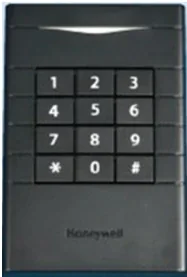
- Work with Wiegand controllers such as PRO3000 and CD8000
- Provide UHF long-range access for vehicle gates
- Combine face, card and QR in a multi-credential terminal
- Mount on a standard 86 box or wall plate
What it cannot do / needs confirmation
- Read a 125 kHz card with a 13.56 MHz reader
- Provide OSDP by default; confirm before specifying
- Guarantee outdoor operation without an IP-rated model
- Replace the controller for multi-door or audit requirements
- Guarantee read range on metal without a mounting spacer
Send a photo of the card, the current reader model, the controller model and the door material. We will confirm frequency, output and mounting.
Card reader questions buyers ask before ordering.
The answers follow the card, controller and installation logic used on this page.
Should we choose 13.56 MHz or 125 kHz?
Does the reader support OSDP?
What is the read range?
Can the reader be installed outdoors?
Can it connect to our existing controller?
Can it read a phone?
Still have a question? Contact
Send the card and controller details. We will return a reader configuration.
Include the card type, frequency, current reader and controller, door material and whether the door is indoor or covered outdoor.
- Door list / unit list
- Existing cable, cards and controller
- Site photos and timeline
Project inquiry
Share the site type, number of doors or apartments, and the functions you need. We will reply with a recommended configuration and a quotation.