Hotel Access Control: Guest Rooms & Back-of-House
How hotel access control works across guest rooms, staff doors, lifts and back-of-house — with the door schedule, fail-safe rules and audit checks to confirm before a quote.
In short
How hotel access control works across guest rooms, staff doors, lifts and back-of-house — with the door schedule, fail-safe rules and audit checks to confirm before a quote. Reference points: MC-S603LH3, PRO3000, HA-MCR45-32.
A hotel is not an office with beds. It runs 24 hours a day, guests arrive with their own expectations, staff turnover is high, and a failed door becomes a front-desk problem within minutes. Access control has to protect the guest room, the back-of-house and the audit trail at the same time.
This guide follows the hotel from the guest corridor to the loading dock. It is written for the project that has a door schedule and a real building.
What makes hotel access control different?
Three things separate a hotel from a normal office:
- Guests are temporary. They lose cards, forget codes and arrive at midnight.
- Staff move between zones. Housekeeping, maintenance, catering and management need different doors at different times.
- The audit trail matters. A room entry record may be needed for a security investigation or an insurance claim.
The system therefore needs a fast front desk, clear access levels and a lock that keeps working when the network is down.
Guest room doors: locks, cards and records
The guest room is usually a standalone electronic lock with a local record. The front desk encodes or issues the card, and the lock stores the last entries. Some properties connect the locks to a network for remote status and audit; others keep them offline and read the records at the door.
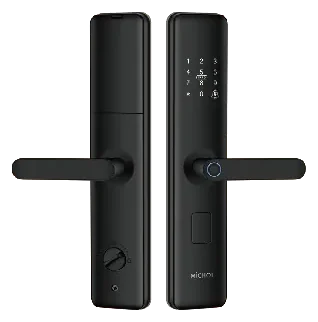
The lock choice depends on the door: timber, steel, fire-rated or a suite entrance. The finish matters as much as the technology because it is visible to the guest. The hotel and smart lock range includes models such as the MC-S603LH3 fingerprint smart lock; confirm the credential type and the door preparation before ordering.
Do not promise a network-connected room lock unless the property has the cabling, the IT support and the budget to maintain it. An offline lock with a solid front-desk process is often more reliable.
Back-of-house doors and staff zones
Back-of-house is where access control earns its keep. Typical zones:
- Staff entrance and time clock.
- Housekeeping stores and linen rooms.
- Maintenance, plant and electrical rooms.
- Food and beverage stores.
- Loading dock and waste area.
- Management offices and the cash office.
Use time-limited access levels and area groups. A housekeeper should open the assigned rooms during the shift, not every room at every hour. A contractor should have a temporary card that expires at the end of the work order.
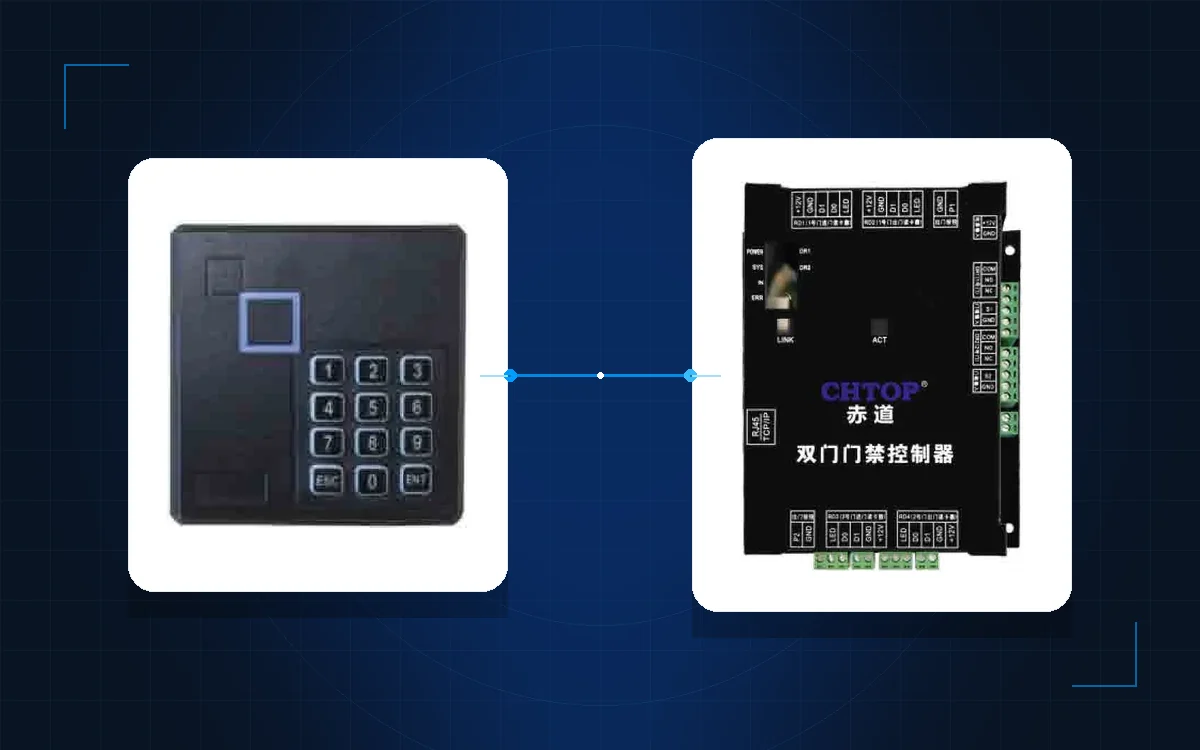
The access control and reader range covers the controllers and readers for these doors. A PRO3000 network controller is one option for a multi-door back-of-house network.
Front desk, check-in and remote issuance
The front desk is the operational centre. It needs to:
- Issue and cancel guest cards quickly.
- Set the departure time and the room access.
- Handle lost cards without calling a technician.
- See the door status and the battery condition.
- Export records for security or audit.
If the hotel uses a property management system (PMS), confirm the interface before choosing the lock. A lock that cannot talk to the PMS creates a manual step at every check-in. The interface may be a local encoder, a middleware service or a direct API.
Integration with PMS, lift and fire
Three integrations matter in a hotel:
- PMS. Guest identity, room assignment and checkout.
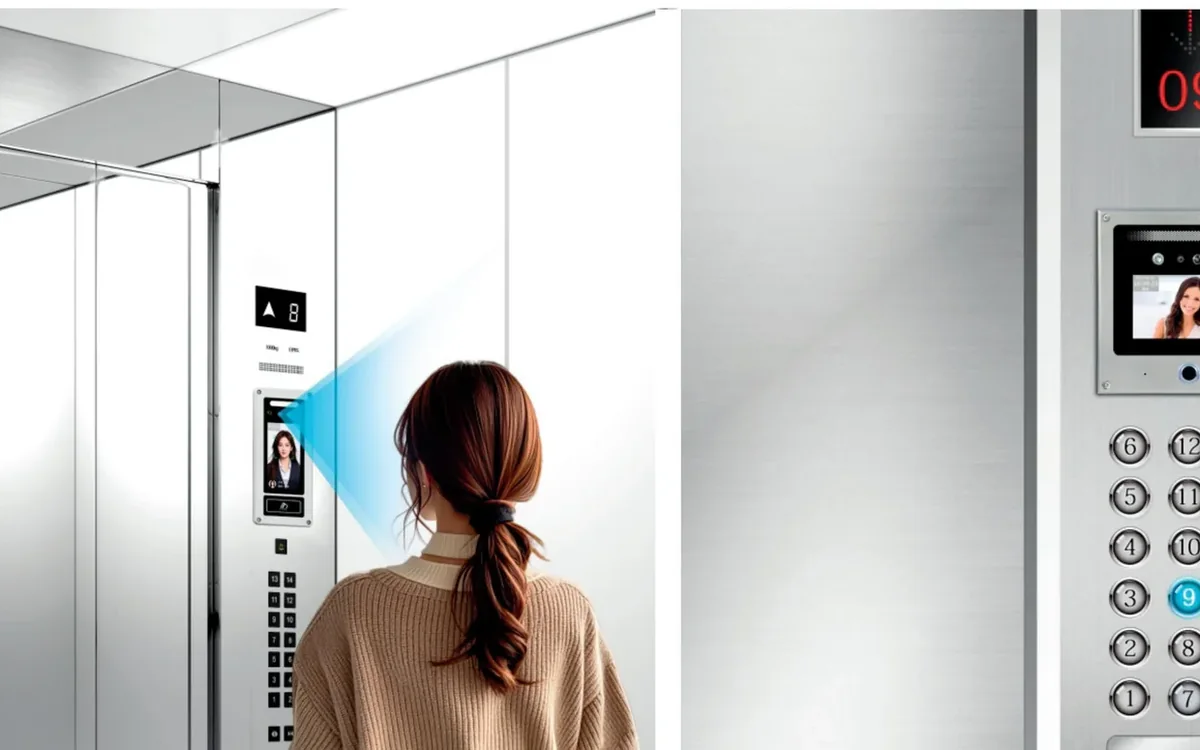
- Lift. Floor access for guests and staff; the lift control must fail safely.
- Fire. Emergency release and evacuation; the fire strategy overrides normal access.
Test each integration with the responsible party. A lift that opens every floor during a fire alarm is a safety issue, not a convenience feature. A PMS interface that fails at check-in creates a queue in the lobby.
Power failure, privacy and audit
Guest room locks should keep the audit record during a power failure and should be opened by the mechanical override or the front-desk procedure. Back-of-house doors need a backup supply for the controller and the locks.
Privacy is part of the design. The audit trail should be accessible to authorised staff only, and the retention period should match the hotel policy. Do not leave the front-desk encoder logged in with a shared administrator account.
Hotel door schedule
| Door | Typical access method | Record | Fail mode |
|---|---|---|---|
| Guest room | Card, phone or code | Entry and battery status | Fail-secure with override |
| Suite entrance | Card or code | Entry and door position | Per fire strategy |
| Staff entrance | Card and time clock | Entry and attendance | Fail-secure |
| Housekeeping store | Card with time limit | Entry | Fail-secure |
| Plant and electrical | Card plus key | Entry and alarm | Fail-secure |
| Loading dock | Card or remote release | Entry and vehicle log | Per fire strategy |
| Fire exit | No card; panic bar | Alarm only | Fail-safe |
Specification checklist
| Item | What to confirm |
|---|---|
| Lock type | Guest room, suite, back-of-house and fire doors |
| Credential | Card technology, phone, code or fingerprint |
| Front desk | Encoder, software and lost-card procedure |
| Network | Offline locks or connected locks; IT support |
| PMS interface | Local, middleware or API |
| Lift and fire | Integration method and test procedure |
| Audit | Retention period and access control |
Next steps
Send the door schedule, the door materials, the PMS model and the fire strategy. For the layout logic, compare the hotel solution with the office building solution. The model index lists the hardware, the product catalogue covers the rest of the system, and the blog has related guides.
If you want a second opinion on the lock and controller mix, contact our team or message us on WhatsApp. A hotel access system is judged at 2 a.m., not in the showroom.
Frequently asked questions
Do hotel guest rooms need network access control?
Should hotel guest room doors be fail-safe or fail-secure?
Can one card open both the room and the back-of-house doors?
How does the hotel handle lost cards?
What about cleaners and maintenance staff?
What should the quotation include?
Put the article’s decision order to work on your project
Related products
 Smart Locks
MC-S603LH3
Fingerprint Smart Lock
Fingerprint, password, card and key access with a C-grade brass cylinder.
View details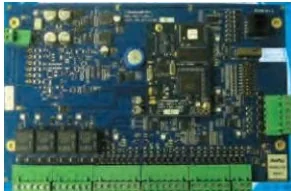 Access Control
PRO3000
Network Access Controller
Two-door IP controller with 55,000 cardholders and 45,000 event buffer.
View details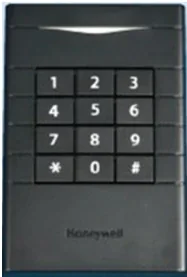 Access Control
HA-MCR45-32
13.56 MHz Mifare Card Reader
ISO 14443A Mifare reader with Wiegand output and tamper-resistant mounting.
View details